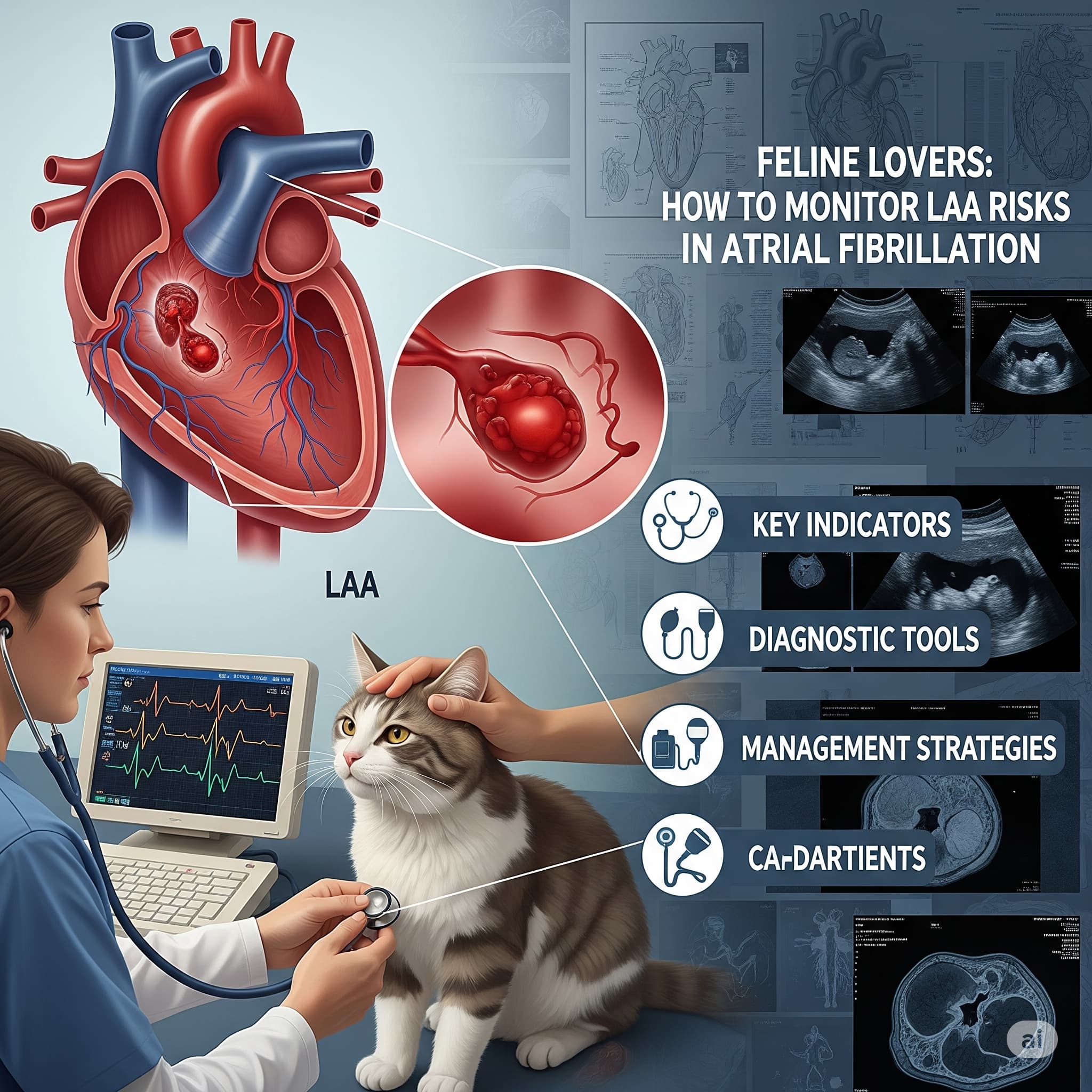
Feline Lovers: How to Monitor LAA Risks in Atrial Fibrillation
Find out how to track thrombus risks in the left atrial appendage in cats with atrial fibrillation. Easy recommendations for cat owners to protect their kitties’ health.
Introduction
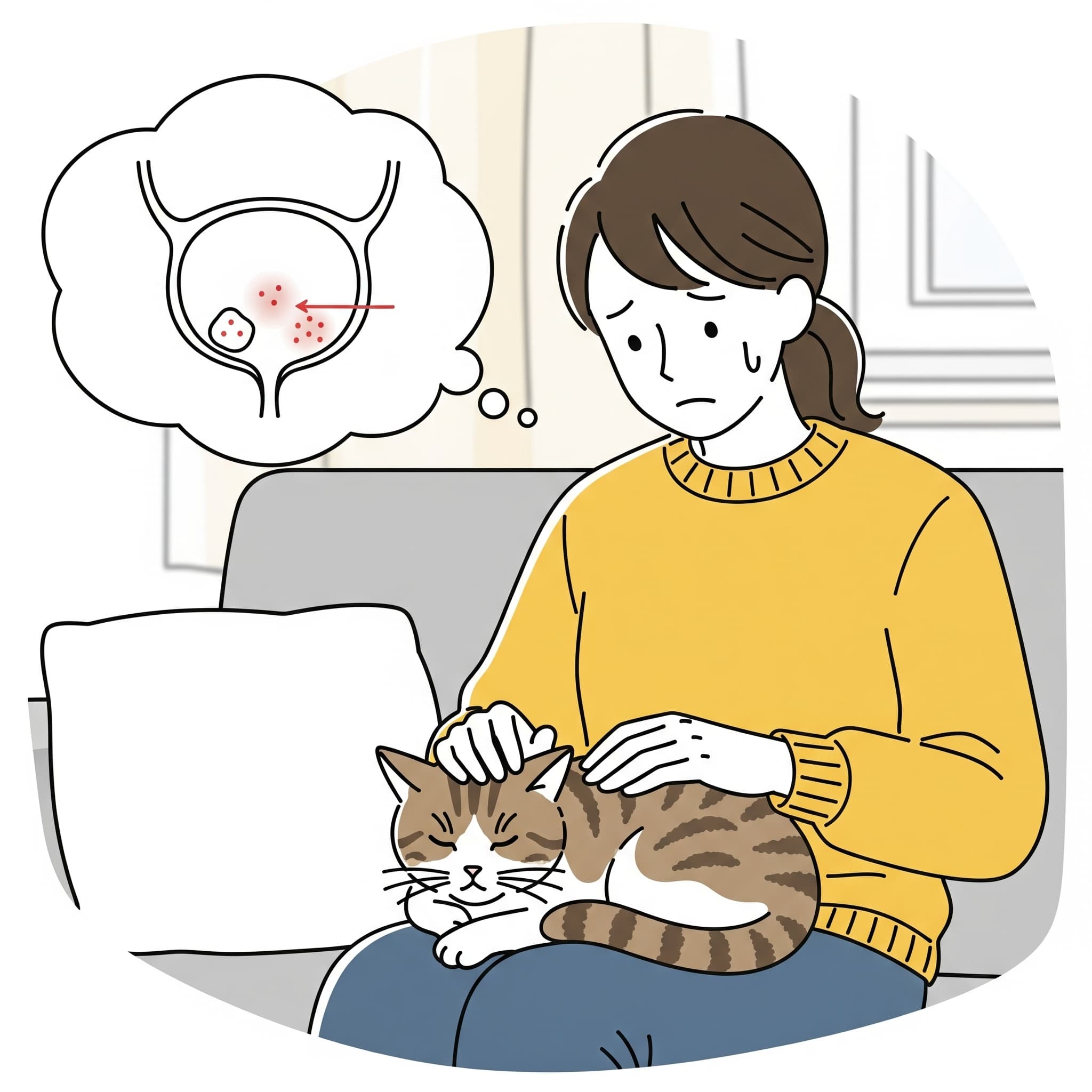
As a loving cat parent, you dream daily of giving your furry companion a long, vibrant life. But hearing the words “atrial fibrillation” can make your heart race. Added to this worry is the left atrial appendage (LAA) thrombus, a tiny blood clot that can form in the heart and travel to big trouble spots. Take a deep breath. You can definitely stay calm and confident! This simple guide helps you understand this condition, spot trouble early, and team up with your vet.
Ready to jump in? Here’s what you’ll learn:
- Key Facts About Atrial Fibrillation and the LAA Thrombus
- Signs to Spot a Thrombus in Your Cat
- Tools to Monitor LAA Thrombus Risk
- Easy Steps for Thrombus Management and Prevention
- Top Questions About Feline AFib and Thrombus
Together, we’ll keep your cat’s heart beating strong!
Key Facts About Atrial Fibrillation and the LAA Thrombus
Let’s break this down! Atrial fibrillation (AFib) means your cat’s heart is beating unevenly. This happens in the top chambers of the heart. When this jiggle is going on, a small pouch near the left atrium—the left atrial appendage—might not squeeze out blood the way it should. That can let blood sit there and form a clot. If the clot breaks loose, it can travel to your cat’s legs, brain, or vital organs, causing serious trouble. Understanding this cycle is the first step in keeping your cat safe!
When certain areas of your cat’s body get affected, the situation can turn critical fast. Think of it like a jammed intersection in your pet’s heart: the blood can’t flow where it needs to, and the backups keep building. Older cats and those with past heart problems are especially at risk when atrial fibrillation is in the picture. Knowledge is your best defense. Sit down with your vet, run through your cat’s history, and keep asking questions—it’s about your little companion, and every detail matters.
Signs to Spot a Thrombus in Your Cat
So, what should you keep an eye out for? The signs of a blood clot tend to be sneaky and sometimes fuzzy. If your cat suddenly can’t move at all and won’t lift their head, a clot in the heart is a strong suspect. You might also notice a few other things: the breathing is quicker but shallower, the energy level drops to zero, or they seem to be holding an awkward pose. Their ears, paws, or tail might feel colder than usual, they may flinch but move slowly when you wiggle a toy, and their reflexes seem muted. Any of these odd changes can be telling, especially in a cat with a heart condition.
Keep careful tabs on anything that feels off. If you see the smallest hint of trouble, call your vet without delay.
Tools to Monitor LAA Thrombus Risk
How do vets look for blood clots in the LAA? They use echocardiograms—basically, heart ultrasounds—to see the heart in real time and check for clots in the left atrial appendage. Imagine watching a live concert where the musicians are the heart chambers and the blood is the melody. The flow can tell them if a clot is starting to form.
In addition to echocardiograms, vets can run blood tests to check clotting factors. X-rays and CT scans can give an even wider view. Some clinics are now starting to use 3D imaging for a more detailed picture, and these tools are getting better every year. If your cat has a risk for atrial fibrillation and thrombus, your vet will likely suggest regular echocardiograms to keep an eye on things.
Curious to see what a cat heart looks like on an echocardiogram? You can find videos on YouTube that show the procedure and the heart in action.
Easy Steps for Thrombus Management and Prevention
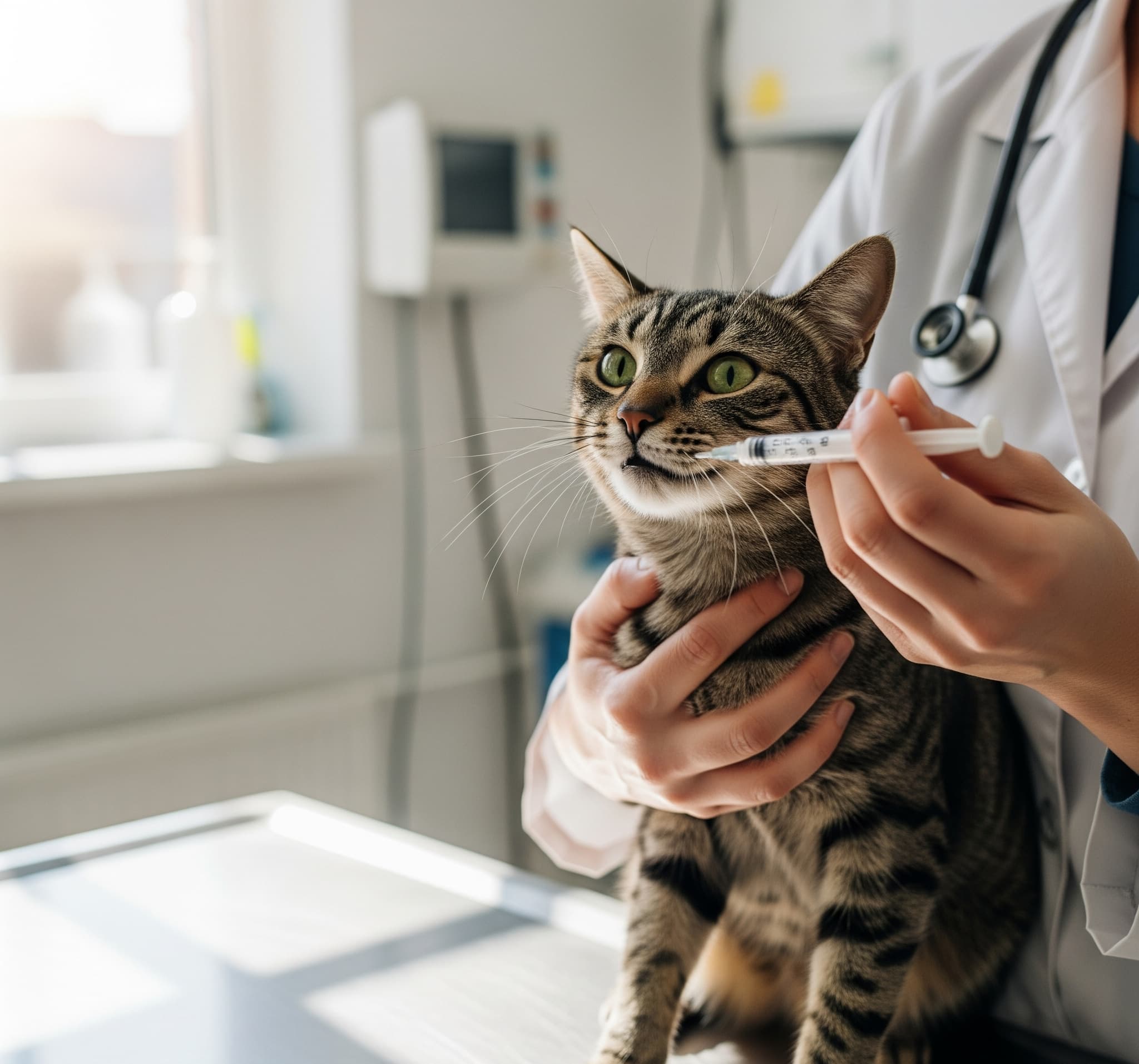
Let’s dive into what really helps. First off, always follow your vet’s orders about meds like anticoagulants. These meds, like clopidogrel and aspirin, act like traffic cops for your kitty’s blood. But remember: never give any drug without your vet’s green light. Next, keep your cat’s home life calm. A quiet, soft-bed zone makes a real difference for heart health. Diet matters, too; pick food designed to support furry hearts. Regular vet check-ups keep surprises at bay. Simple, right? Oh, and if meds are part of the plan, set phone alarms or calendar notes. Trust me, your cat will reward your effort with extra cuddles.
Top Questions About Feline AFib and Thrombus
Got a burning question? We’ve got your back!
Can a thrombus pop up right after AFib is found? It’s rare, but possible. AFib makes clots more likely over time, especially if we skip treatment. Regular check-ups mean we spot trouble before it grows.
What will AFib vet bills look like? They can range between $100 and $500, depending on exams and tests like echocardiograms. Always ask your vet about exact numbers and if they offer payment plans.
Are Some Cat Breeds More at Risk?
Absolutely. Breeds like Maine Coons and Ragdolls can inherit Hypertrophic Cardiomyopathy (HCM), making their hearts more prone to problems. If you have one of these breeds, keeping a watchful eye on their heart health is a smart move!
Conclusion
Caring for a cat with atrial fibrillation can feel overwhelming, but remember: you’ve got a whole community behind you. By knowing the risks of the LAA thrombus, watching for symptoms, and partnering with your vet, you can help your furry friend live a comfy, happy life. Stick to regular vet visits, give the right meds, and keep the home calm—that’s your winning formula. Do you feel ready to take charge of your cat’s heart health? Reach out to your vet to start a steady monitoring plan, and feel free to share this heart health guide with other cat lovers. Have a story about your cat’s health journey? We’d love to read it in the comments below!
Post Comment