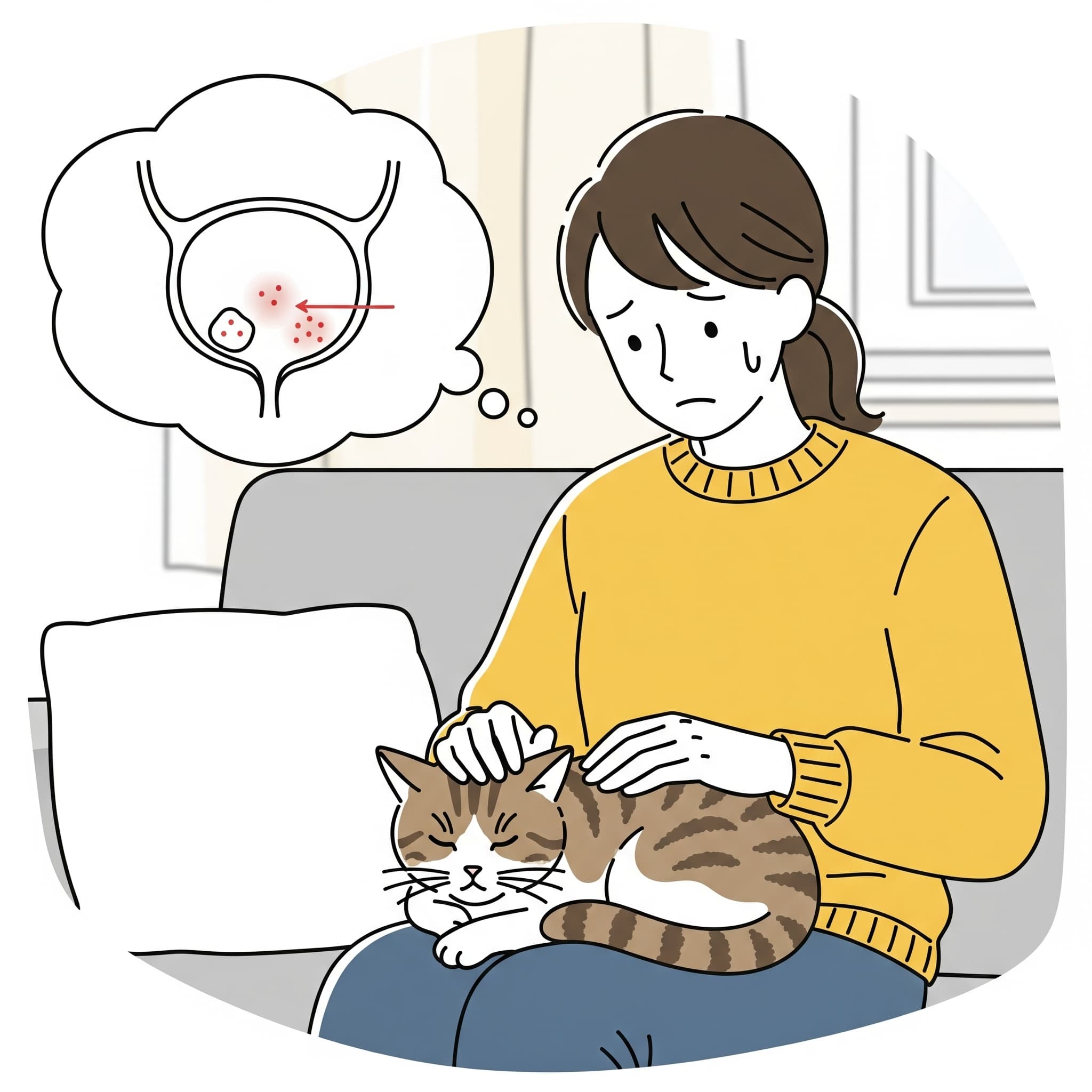
For Cat Owners: Decode Neuroendocrine Secrets of Feline Idiopathic Cystitis
Do not miss exploring the neuroendocrine factors of feline idiopathic cystitis. Learn about the symptoms as well as the stress connections, and health care advice related to your cat. Read it now!
You might notice your cat repeatedly trying to use the litter box or acting unusually nervous. Those can be early signs of feline idiopathic cystitis (FIC). It’s more common than many owners realize and, frustratingly, we can’t always find a direct cause. Recent research points to neuroendocrine factors, which means the body’s nervous and hormone systems might be involved. The goal of this post is to help you understand what’s happening, how stress can make things worse, and what you can do to support your cat. Here’s what we’ll cover:
- What Is Feline Idiopathic Cystitis?
- How Neuroendocrine Pathways Cause FIC
- Stress and Your Cat: The FIC Connection
- Spotting and Managing FIC Symptoms
- Top Tips for Supporting Your Cat’s Bladder Health
What Is Feline Idiopathic Cystitis?
As the name suggests, FIC is inflammation of the bladder. The tricky part is that we can’t find a single, obvious cause. Your cat’s bladder might be swollen and painful, and tests for infections, stones, and tumors usually come back normal. Because the bladder is irritated, your cat might urinate more often and in small amounts, sometimes with blood. The discomfort can make using the litter box feel scary.
More and more cats are diagnosed with urinary stones and infections these days, and it’s easy to mistake these for feline idiopathic cystitis (FIC)—the untangling, you may recognize, is complex. Most veterinarians will first rule out every other possible cause before landing on the FIC diagnosis, and that can add extra visits and tests to your plate. It’s still an estimate, but about 70% of cats with lower urinary tract symptoms eventually fit the FIC bill.
If you’re watching for symptoms, keep an eye out for squatting often, licking the lower belly, signs of pain, or blood in the urine. The surprising twist is that stress hormones, especially when they tip over a certain threshold, are often the spark. Once you see the connection, you can turn your attention toward keeping your cat calm and the urinary tract more stable.
For a behind-the-scenes look at the diagnosis, there’s a great urinalysis video for cats on YouTube that walks you through the steps.
How Stress Hormones Trigger FIC
Think of neuroendocrine pathways as the wiring that links your cat’s nerves and stress circuitry. If your household changes—moving, loud noises, a new pet—these pathways start firing at a higher pitch. The brain then cranks out stress hormones like cortisol, and for cats with FIC, that over-excited wiring circles back to the bladder and cranks up the symptoms. Knowing this, the best short-term plan is to dial down stresses at home and create as peaceful a place as possible to minimize flare-ups.
Cat Stress and FIC: What You Need to Know
Have you ever noticed your cat hiding or grooming too much when you change something at home? That extra stress she feels can lead to FIC, or Feline Idiopathic Cystitis. Stressors can be things like a fire drill, a new human coming over, or that one corner of the litter box that keeps getting missed. When stress hormones flood the body, they mess with the nerves and hormones that control bladder health. Stress isn’t just something that lives in your cat’s head; it takes a toll on her organs, too.
In homes with more than one cat, the chances of social stress go up. Recent research in 2023 showed that multi-pet households had more cases of FIC. That tells us that every cat’s feeling of safety matters, not just the one who acts out. To keep her comfortable, offer quiet spaces where she can curl up, gentle play at the same time every day, and a litter box that is always clean and private. A consistent, calm environment adds up to a happier cat, and she’ll show her thanks in purrs and soft head bumps.
Spotting and Managing FIC Symptoms
Catching FIC early can keep your cat from a lot of pain. Keep an eye out for these signs: your cat straining to pee, using the box only a few times with tiny amounts of urine, and making loud cries when they do go. Check for blood in the pee, too. Since the body’s stress-trigger system can go out of whack in FIC, lowering stress is key. Work with your vet to figure out pain relief, anxiety meds, or antidepressants if needed. At home, place the litter box in a quiet spot, keep it clean, and use a puzzle feeder to keep their brain busy. If flare-ups keep coming back, don’t skip the check-ups. Remember, stress can lead to more than just FIC; it can spark anxiety or behavior problems.
For a quick look at these issues, watch this YouTube video on cat urinary health.
Top Five Ways to Help Maintain Your Cat’s Bladder Health
Want to keep your cat’s bladder and urinary tract happy? Try these five easy tips:
- Create quiet rooms: Safe, calm spaces up off the ground can help your cat feel less anxious.
- Offer water fountains or wet food: This makes sure they’re drinking enough.
Litter Box Care
Keep your cat’s litter area clean by providing one box for every cat and one extra. Clean the boxes daily to help prevent mess and keep stress low.
Talk to Your Vet
Ask your vet about urinary diet foods that match your cat’s needs. These diets help support bladder health and can lessen the chance of flare-ups.
Play and Relax
Interactive toys are great for your cat’s mind and can help ease stress. Playtime also boosts mood, making your home happier.
Extra Gentle Care
These simple steps focus on the body’s calming control system while also making life better for your cat overall. Think of it as a daily mini-spa. For a zen routine, check out this calming video.
Frequently Asked Questions
Can FIC Be Cured Completely?
FIC can be managed well, but it’s not always cured for good. Because stress influences the body’s control system, flare-ups may still happen. Sticking to a soothing environment and daily calm care can really cut down on episodes.
How Do I Know If It’s FIC or Something Else?
Veterinarians check for infections or stones by running a urine test. If the tests show no problems, FIC is a strong suspect. Always see your vet for a clear and safe diagnosis.
Wrapping It Up
Feline idiopathic cystitis is more than a fancy name for a cranky bladder—it’s a puzzle involving nerves, hormones, and stress. When we understand its neuroendocrine twists, we can make better choices for our cats. First, turn down the stress dial. Keep an eye on any symptoms and remember to schedule those check-ups. Little changes, like a soft perch and a clean, easy-to-reach litter box, can really make a big difference. Want to kick-start the caring? Pick one tip from this guide and put it into action. Leave a comment or hit subscribe for more cat care goodies. Together, we can keep more cats purring.
Post Comment