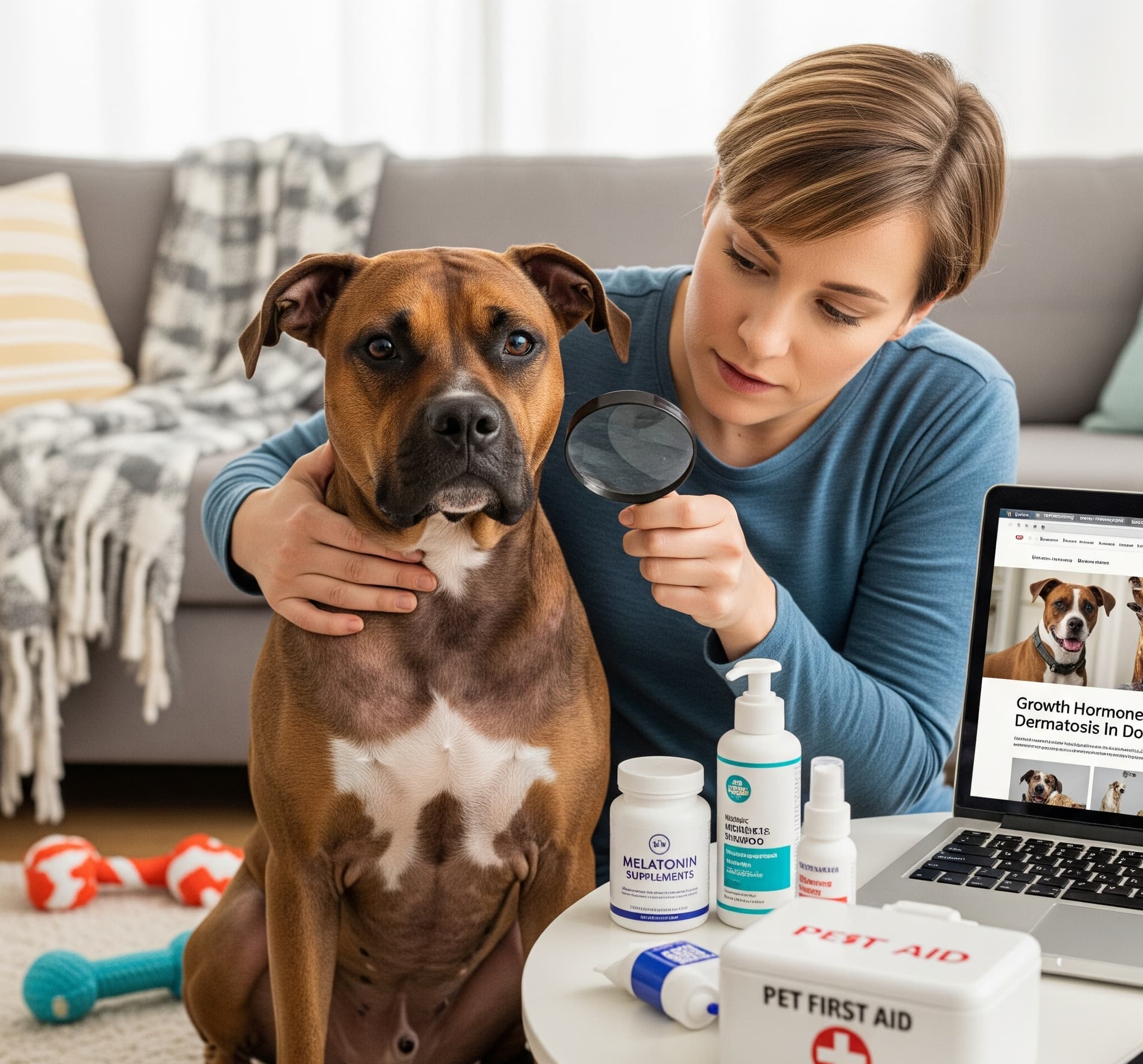
For Dog Owners: Spotting and Treating Growth Hormone-Responsive Dermatosis at Home
Skim through this article to be able to identify and manage growth hormone-responsive dermatosis in dogs with some easy at home tricks. Maintain your furry friend’s skin in prime condition!
Introduction:
Have you caught your dog scratching like they’re about to win a medal in the canine Olympics? Maybe it’s a simple case of allergies, a rough-hot day at the park, or it could be something sneakier—growth hormone-responsive dermatosis. Relax, that’s just the fancy term for a skin issue tied to hormone levels, and it’s easier to handle than it sounds. If you notice it early, you can make your pup comfy right in your living room. Let’s dive in. I’ll explain what the condition is, how to recognize it when you cuddle your dog at home, and the best DIY treatments to keep that coat shiny and the skin itch-free. Ready? Here’s the plan:
- What Is Growth Hormone-Responsive Dermatosis in Dogs?
- How to Spot the Signs while Snuggling at Home
- Home Treatment Tricks That Really Make a Difference
- When to Reach Out to the Vet (and What to Anticipate)
- Your Most Pressing Questions Answered
What Is Growth Hormone-Responsive Dermatosis in Dogs?
Let’s unpack the term.
“Growth hormone-responsive dermatosis” sounds like a plot twist in a space movie, but it’s really just a skin problem caused by low growth hormone in dogs. Picture growth hormone as the music director for a hidden symphony inside your dog, making sure skin and fur are in harmony. When the music gets quiet, the skin gets dry and the fur gets spotty and falls out, as if the coat itself is kicking up a fuss.
Any dog can end up with this, but it’s more often seen in Pomeranians, Chow Chows, and Poodles. It’s a little rare and not talked about much, so keep a close eye. Usually it starts when the pituitary gland doesn’t release enough growth hormone, but it can look like other hormone problems, like low thyroid. The great news is that with the right care, your dog can feel much better, and you won’t have to turn your living room into a clinic.
How to Spot the Signs at Home
Have you ever wondered if your dog’s extra scratching could mean something? Catching growth hormone-responsive dermatosis early can make all the difference. Try these handy tips during your next cuddle session to become the family pet detective:
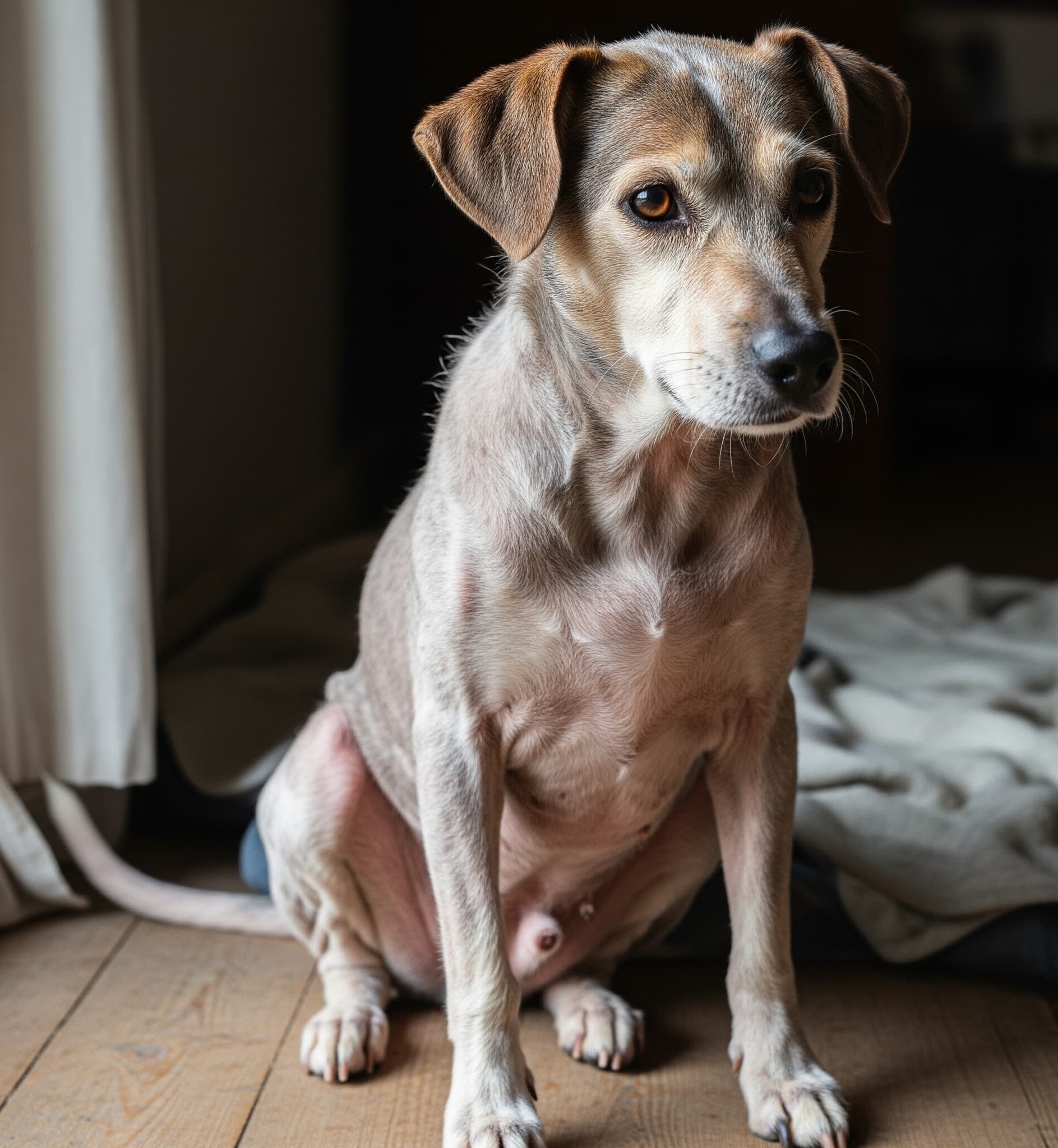
Start by checking for any even-shaped hair loss. If the sides or back look like someone took thinning scissors to them in a hurry, you need to notice. The skin might look dryer than usual, feel scaly, or even seem darker, like a sunburned version of itself. Your dog might also be licking or scratching the same spot over and over. Unlike allergy flair-ups, where the skin gets red and puffy, the fur and skin here look flat, drab, and almost lifeless. Keep a lookout, and you might just catch the problem early.
Want to be your pet’s skin detective at home? Start with this checklist:
- Areas of hair loss that match on both sides of the body
- Skin that looks dry, flaky, or leathery
- No bright redness or crusty ooze (that’s usually allergies or infections)
- Coat that’s a bit dull and lacks its usual shine
If that’s your dog, try to stay calm. Think of it as finding a strange spice in your favorite recipe—just a tweak here and there, and dinner is back on track. Jot down when symptoms flare and if you notice any patterns. Bonus tip: snapping a photo every few days is like a time-lapse movie of your dog’s skin getting better (or not), making it easier to share with the vet later.
Home Treatment Tricks That Really Make a Difference
Once a week, use a hypoallergenic shampoo that’s extra moisturizing. Oatmeal and aloe vera formulas work like a tiny spa day for inflamed skin. Remember, less is more—too much bathing washes away the healthy oils your pup needs. Rinse twice to be sure, then dry gently by dabbing, not scrubbing, as if you’re extra-carefully handling the lightest pastry in the world.
When to Reach Out to the Vet (and What to Anticipate)
What you feed your dog is not just fuel; it’s the starting line for shiny fur and comfy skin. One easy way to give skin health a boost is by adding omega-3 fatty acids to the diet. Think of omega-3 like a shiny, invisible coat of armor that helps fur look its best. You can pick a fish oil supplement in the right dose, or switch to a kibble made for skin support, but your vet should always be the last word. They’ll make sure the new plan fits your dog’s needs—nobody wants a dog pacing the kitchen with an empty bowl and sad puppy eyes!
Humidifiers in Dry Living Spaces
When the heat is cranked up or the desert air slips indoors, a dog’s skin can feel the sting. A humidifier is like a friendly cloud that floats in and adds just the right amount of moisture to the air. This little machine helps stop skin from getting tight and itchy. Just set it up in the rooms where your dog hangs out the most, and you’re good to go. A soft, moist breeze is a simple, gentle way to keep tails wagging and skin happy.
Daily Brushing
Brushing your dog every day makes spa time even better! It turns your pup’s skin into a natural healing spa and lets their own skin oils circulate. A soft brush acts like a gentle mini massage, and every dog loves a little pampering.
Your Most Pressing Questions Answered
Let’s face it: a one-size-fits-all plan just won’t cut it sometimes. If your dog has symptoms that hang around longer than two weeks, is losing fur, or is shedding like a husky at spring break, it’s time to get to the vet.
Your vet appointment is right on schedule, and you’ve already prepped your dog’s health history, fresh and organized. If you bring along the doggy scrapbook, consider yourself the proudest scrapbooking dog mom on the planet. Expect your vet to look closely at the blood, checking the granules, and some may suggest a skin biopsy, but in the gentlest way possible. No need to worry—it’s quick and comfortable for your pup.
Once the results are in, the plan could include hormone treatments and other meds to help bring your dog’s body back into harmony. Think of it as giving the body’s inner orchestra a brand-new conductor. Plan for a few follow-up trips, starting costs for tests, and treatments may range from $100 to $300. Your vet will hand you a at-home care sheet, so you’ll know exactly what to do when you get back home.
FAQs: Your Most Pressing Questions Addressed Here
Still have questions? You are not alone! Let’s tackle some of the big ones puppy parents are asking about growth hormone-responsive dermatosis.
Is There A Chance This Condition Is Completely Curable?
It really depends on the dog. Some pets clear right up, while others keep the problem going and need extra care. You can think of it like figuring out the right food for a picky eater: when you land on the right option, you stick with it and keep it up.
From What Point In Time Should I Expect Results From The Treatments Done At Home?
Follow the vet’s plan for a good 2 to 4 weeks. If the skin still looks sore after that, reaching back out to the vet is wise. The trick is to stay patient and keep a steady hand on the care routine.
Are Some Breeds More Susceptible To This?
Yes and no. Pomeranians, Poodles, and Chow Chows usually show up on the list more, but really any dog can end up with it. It’s like some people burn more easily in the sun—just a gene thing.
Closing Remarks
Figuring out growth hormone-responsive dermatosis can be tricky, but now you have the tools to spot it and lend a gentle helping hand from home. Soft, warm baths and a few smart food swaps can keep your pup feeling calm and comfortable. If the signs get tougher, you don’t have to go it alone—just pick up the phone. Every dog deserves to strut around with a shiny coat, and we can help make that happen. Got your own questions, or a tip that worked wonders? Tell us in the comments, or sign up for the newsletter so you never miss a pet-care secret. If this post made your day, share it with your fellow dog lovers.

Post Comment